northrockenergy.net

Mechanical Engineering

Reliability Engineering

Reliability engineering focuses on ensuring systems perform reliably through services like Failure Mode and Effects Analysis (FMEA) to identify potential failures, Root Cause Analysis (RCA) to investigate failures, and reliability testing to assess performance under various conditions.

Static & Rotating Asset API Inspection

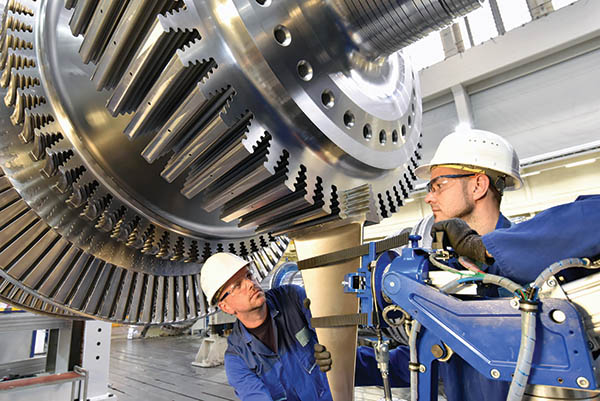
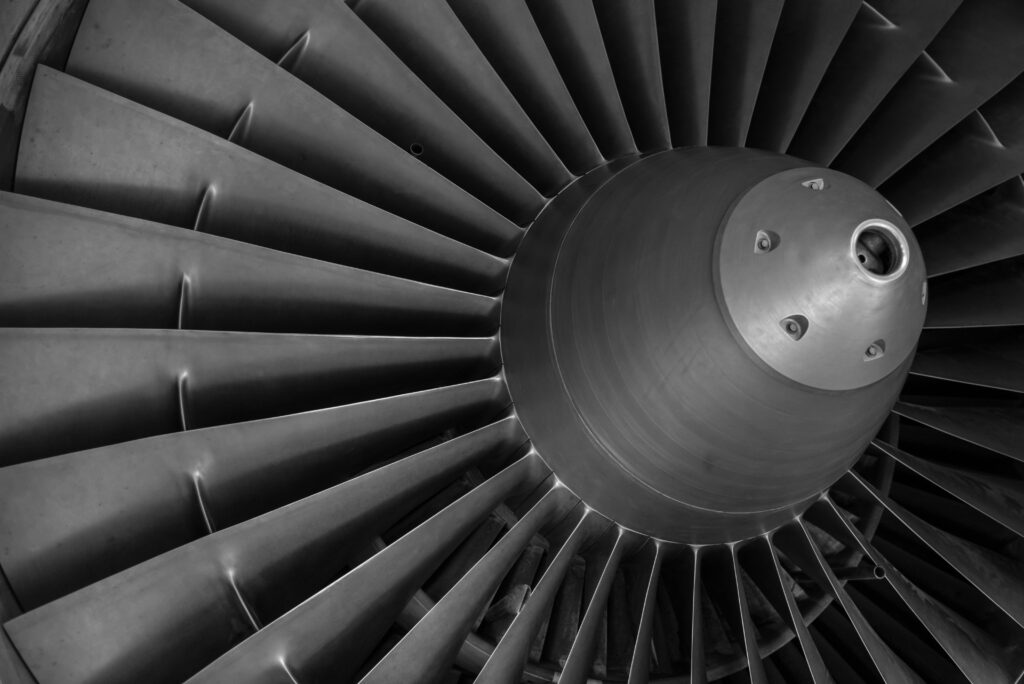
API inspections, encompassing both static and rotating equipment, are essential for maintaining safety and operational efficiency in industrial settings. These inspections follow the American Petroleum Institute (API) standards to assess the condition and integrity of equipment such as tanks, pipelines, and rotating machinery. Static equipment inspections focus on fixed assets like storage tanks and pressure vessels, ensuring compliance with regulatory standards and identifying potential leaks or weaknesses. In contrast, rotating equipment inspections evaluate machinery like pumps, compressors, and turbines to ensure proper functioning and prevent failures.

Multiphysics Simulation

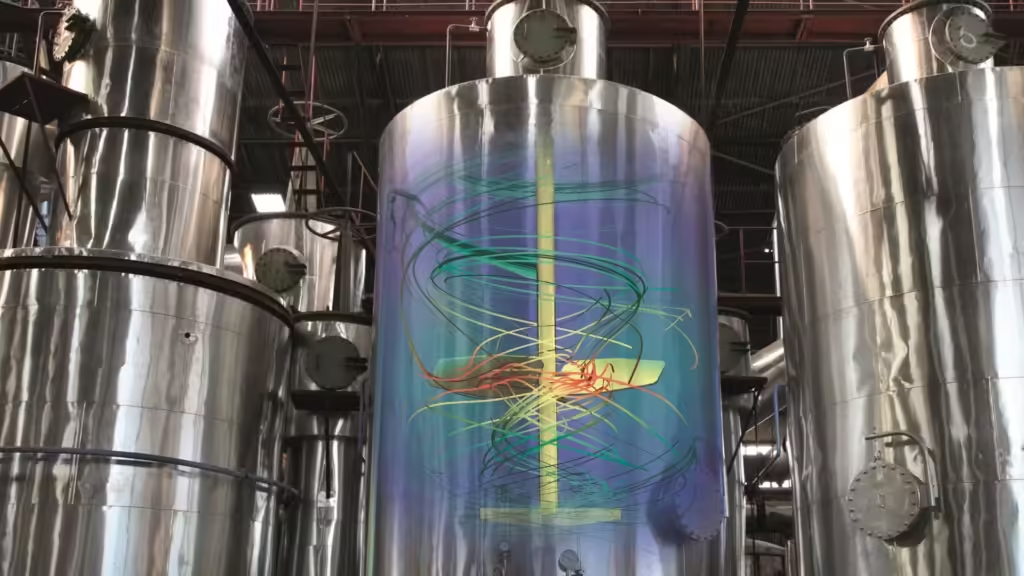
Multiphysics simulation encompasses both Computational Fluid Dynamics (CFD) and Finite Element Analysis (FEA), providing a comprehensive approach to analyzing complex systems in mechanical engineering. CFD simulates fluid flow and heat transfer, allowing engineers to predict performance and identify design issues in systems like HVAC and pumps. Meanwhile, FEA evaluates structural integrity by assessing material responses to various forces, helping to prevent failures in components such as beams and pressure vessels. 

Design

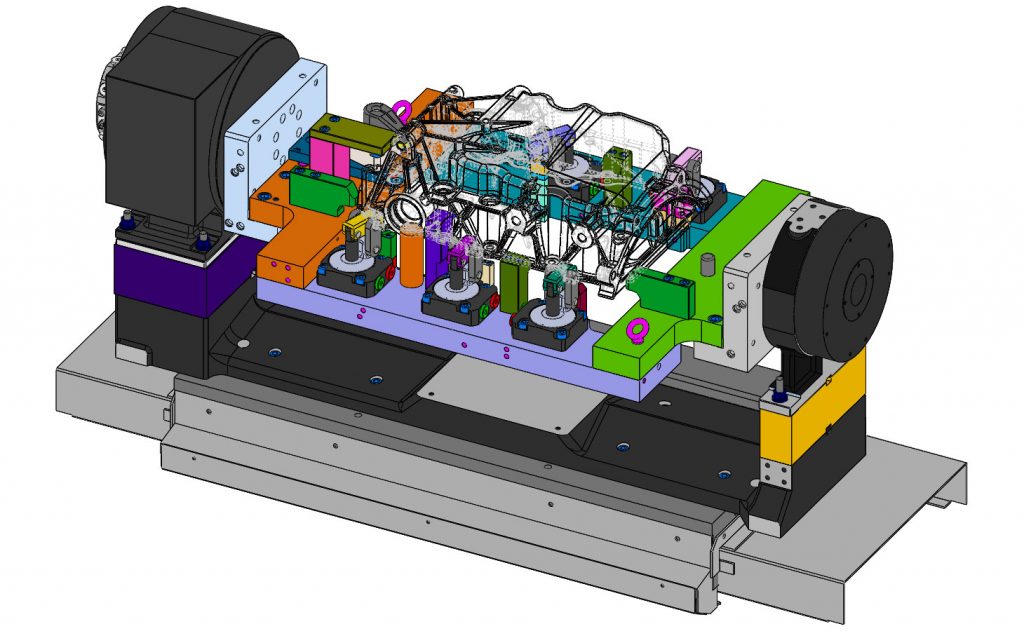
This includes designing machinery, structures, and systems, ensuring they meet performance, safety, and regulatory standards. By utilizing advanced software and modeling techniques, mechanical engineers optimize designs for manufacturability, cost-effectiveness, and sustainability, ultimately delivering reliable and innovative solutions tailored to meet specific operational requirements.

Scroll to Top